
Comfort matters when picking ground cover outside. Yet looks play a role too. Some go green with real turf. Others pick synthetic instead. One weighs the cost first. Maintenance effort follows close behind. Lifestyle shapes what feels right. Budget draws clear lines. Time available tips the scale. Personal taste seals it. Best Artificial Grass serves as an effective and visually appealing choice for outdoor areas after doing a thorough assessment.
Grass growing wild gives that old-school yard feel. A lawn doing its thing brings timeless green vibes outside. The two things need to be understood because they assist in making better choices.
What is artificial grass?
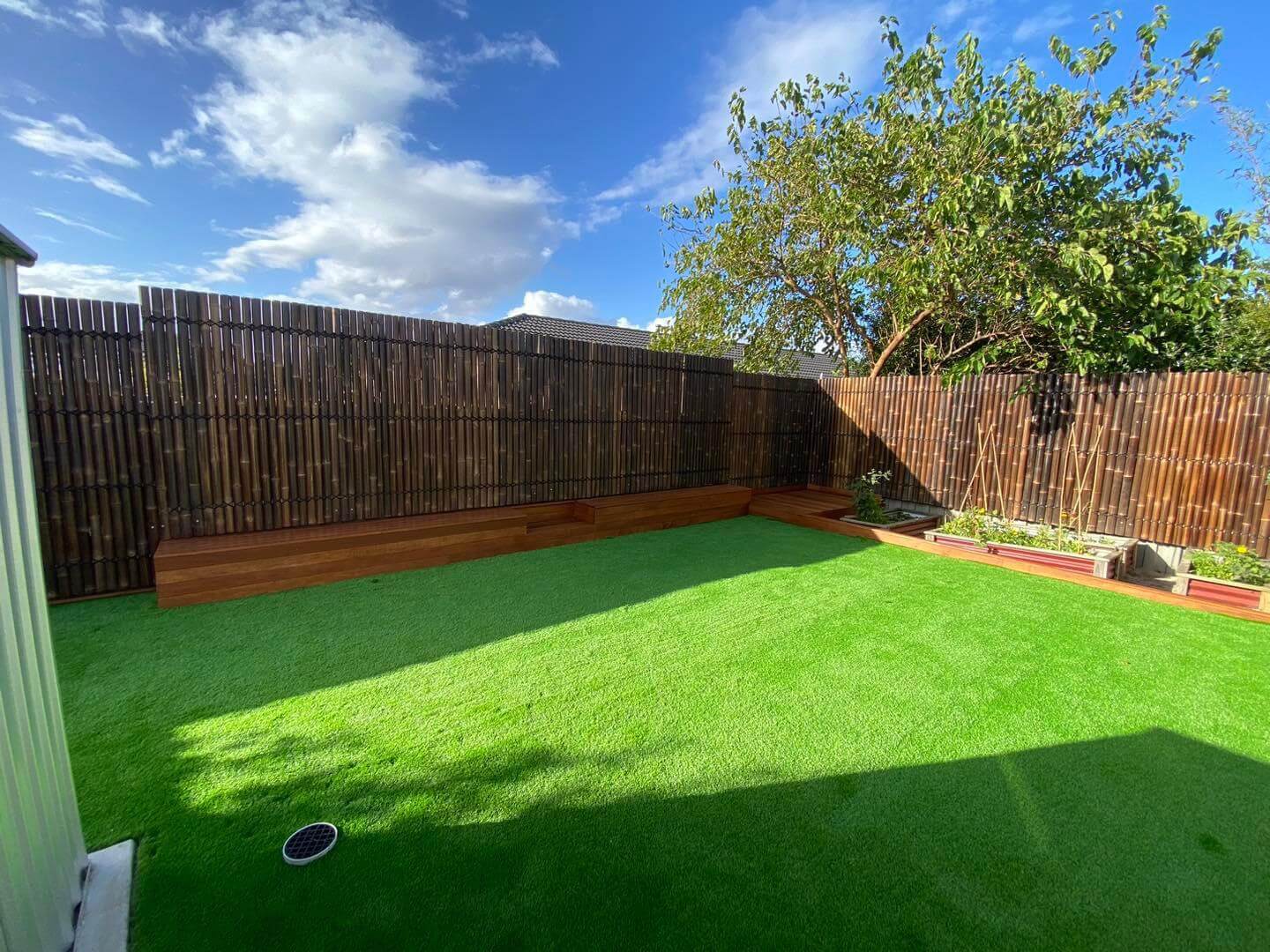
Artificial grass is used to simulate natural grass. Every season of the year, the grass keeps its green aspect. There is no need to water or mow the system. The artificial grass Melbourne solution provides a contemporary option that requires minimal upkeep.
Modern products appear natural while providing a soft texture. The products fit perfectly into both residential and commercial spaces.
What is a natural lawn?
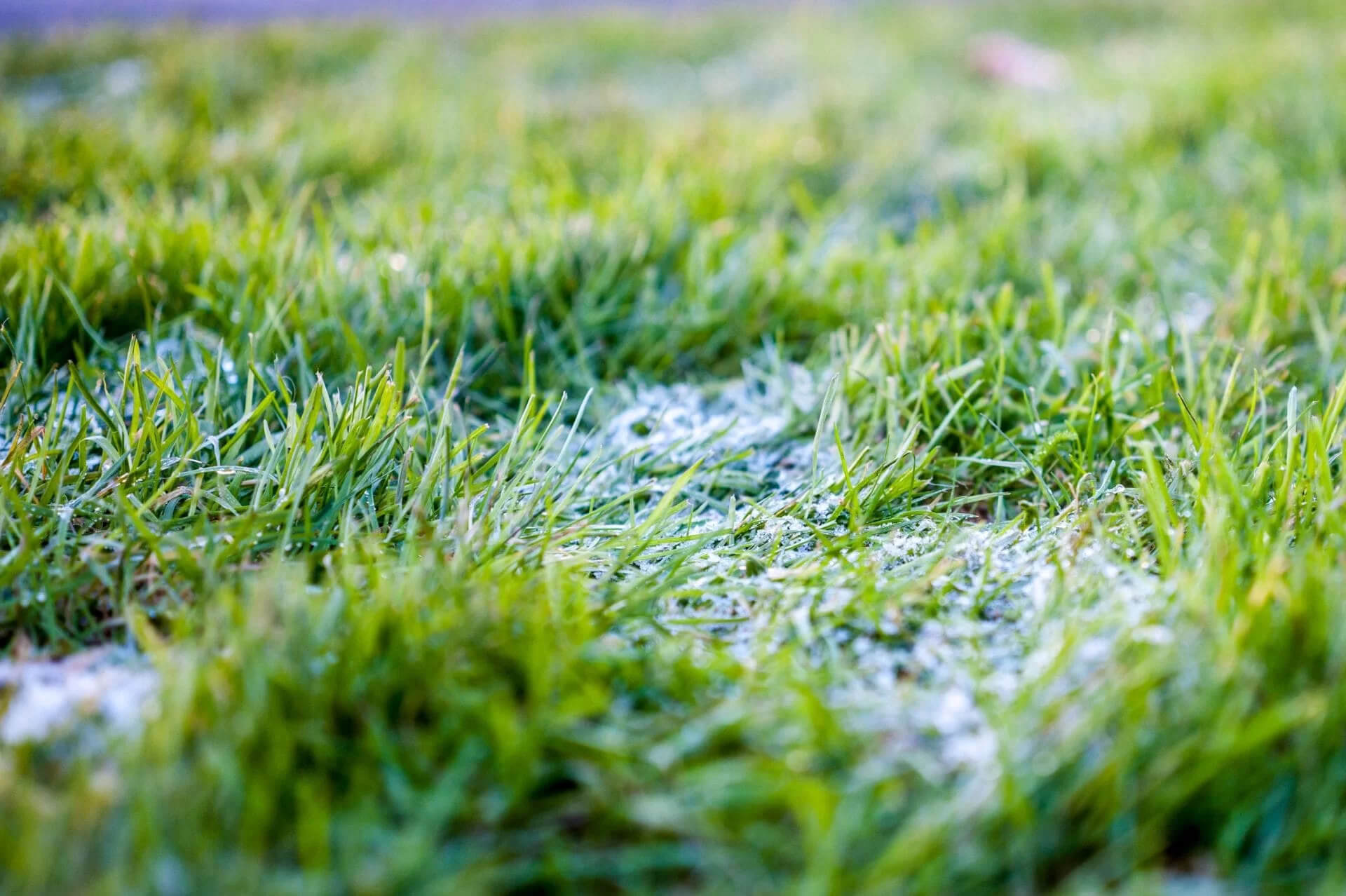
A natural lawn consists of real grass grown in soil. The system requires three essential elements: water, sunlight, and regular upkeep. The system generates a clean and authentic outdoor environment.
The process of maintaining natural lawns requires both mowing activities and fertilising work. This process requires additional work to maintain the system.
Which option costs more?
The initial investment needed for artificial grass exceeds other options. The installation process needs two essential elements: base preparation and materials. The system requires upfront investment, yet results in reduced expenses during its operational period.
Natural lawns require less funding to establish. The ongoing expenses for the system include three essential elements: water, fertilisers, and equipment. The combination of these expenses leads to total expenses that increase with time.
How does water usage differ?
Artificial grass requires no water for its maintenance needs. The system reduces water expenses, which also helps with water conservation efforts.
Natural lawns need a constant water supply because of their growth requirements. The system consumes more water during dry periods because of its increased water requirements.
How does Best Artificial Grass compare in maintenance?
The maintenance of artificial grass costs remain extremely low. The system requires periodic cleaning to maintain its optimal condition. The system does not require any cutting or watering activities.
The upkeep of natural grass requires both mowing activities and watering tasks. The process of maintaining the system consumes both time and physical work.
Which option is more durable?
The high durability of artificial grass enables it to survive demanding usage. The material endures heavy use without suffering any damage. The material can withstand different types of weather conditions.
Natural grass experiences a gradual decline in quality with the passage of time. Areas with high foot traffic develop patches with uneven surfaces.
How do both options affect appearance?
Natural grass creates a natural environment that maintains its authentic appearance throughout the year. The natural environment changes according to seasonal and weather variations.
The artificial grass system maintains its green colour throughout every season of the year. The system stays tidy throughout the year.
Which option is better for families?
The artificial grass system creates a clean area that remains free from mud. The system provides safety for children and pets while creating a clean play area. The system creates a clean area that stays clean even during rainy conditions.
Natural grass provides a plusher sensation alongside a cooler temperature. However, the system creates a risk of developing muddy areas and uneven ground surfaces.
Natural lawns require ongoing care. The system requires reseeding and repair maintenance at various points in time.
What should be considered before choosing?
The decision-making process requires three key elements: budget allocation, maintenance duration, needed usage requirements, and trusted artificial grass suppliers. The evaluation process needs to assess two factors: climate and water supply availability. The evaluation process requires two elements: long-term advantages and associated expenses.
The decision-making process benefits from meticulous planning because it results in correct selection. The process leads to better results while maintaining customer satisfaction.
Personal preferences determine whether someone should select the natural lawn option or the artificial grass option.
Upgrade your outdoor space with a durable and low-maintenance solution from Auzzie Turf.